
The Evolution of Digital Signage: From Nordic Market Growth to Collegiate Innovation
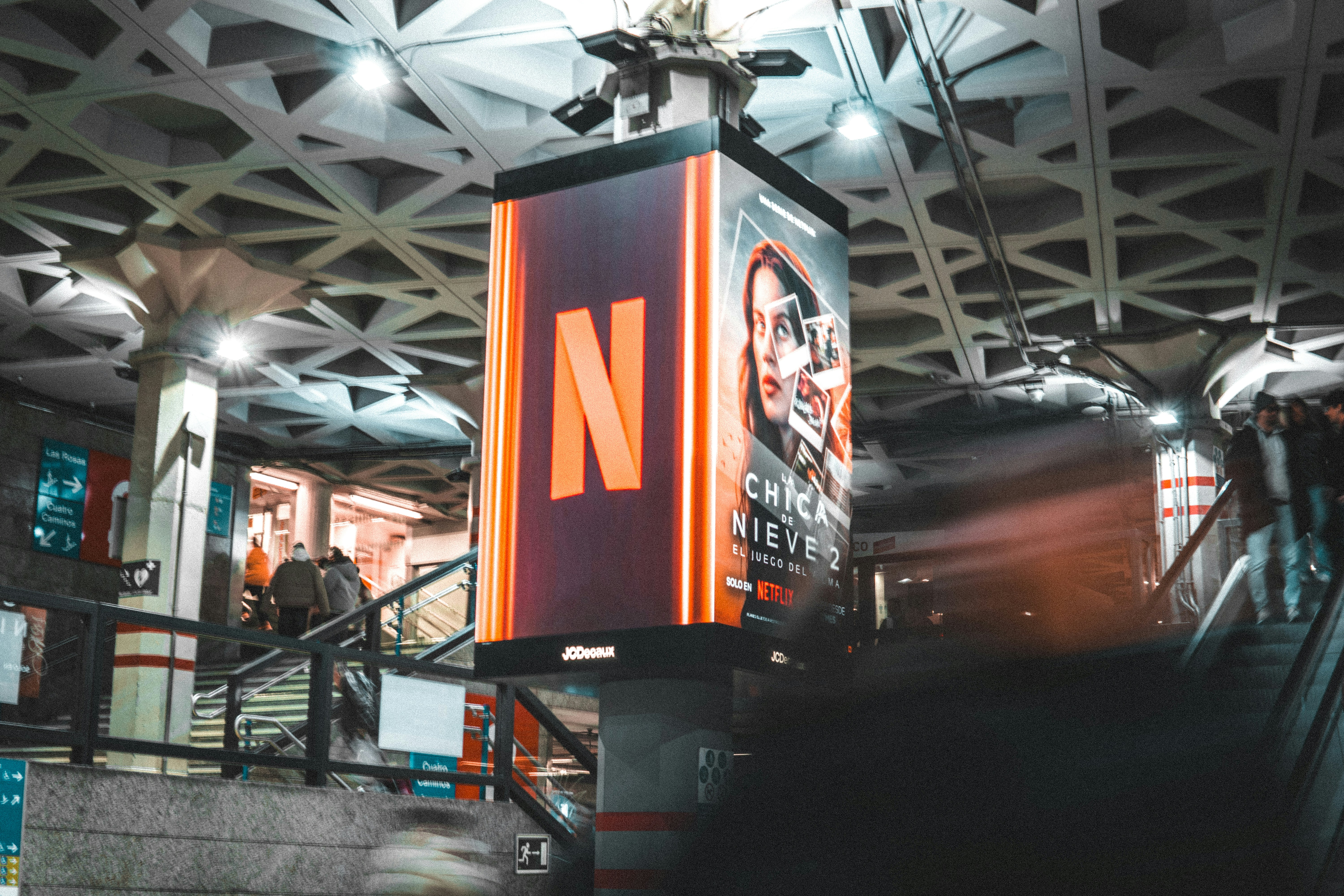
An exploration of the expanding digital signage landscape, featuring Nordic market mapping and Georgia Tech's strategic deployment of cloud-based communication tools.
<h2>What is shaping the Nordic digital signage market?</h2>
<p>The digital signage ecosystem across Northern Europe is undergoing a significant transformation, as detailed in the latest comprehensive Market Map provided by <a href="https://invidis.com">invidis</a>. This regional analysis reveals a diverse landscape of stakeholders driving the industry forward, including high-tier systems integrators and niche software engineers. By identifying key digital experience providers, the map illustrates how the Nordics are integrating sophisticated hardware with bespoke software to enhance public and commercial communication. This shift toward a more integrated approach allows businesses to move beyond simple displays toward immersive environments. As the market matures, the synergy between these various providers ensures that the region remains a hub for innovation in digital-out-of-home (DOOH) advertising and corporate communications, setting a benchmark for European technological adoption and visual engagement strategies.</p>
<h2>How is Georgia Tech modernizing its athletic communications?</h2>
<p>In a strategic move to enhance the fan and student-athlete experience, Georgia Tech Athletics has overhauled its visual communication infrastructure by partnering with <a href="https://novisign.com">NoviSign</a>. The university has implemented a sophisticated cloud-based digital signage framework across seven distinct athletic venues. This modernization effort allows the institution to move away from fragmented systems in favor of a centralized management hub. By leveraging cloud technology, athletic directors and marketing teams can now push real-time updates, schedules, and promotional content simultaneously across multiple locations. This transition not only improves the operational efficiency of the athletic department but also ensures a consistent brand voice throughout the campus. Such implementations highlight a growing trend in collegiate sports where data-driven, agile communication platforms are essential for maintaining high levels of engagement among diverse athletic audiences.</p>
<h2>Why is cloud-based signage critical for large institutions?</h2>
<p>For large-scale organizations like those highlighted by <a href="https://www.digitalsignagetoday.com">Digital Signage Today</a>, the move toward cloud-based architectures is a necessity rather than a luxury. Traditional on-premise servers often create bottlenecks and technical silos that hinder rapid content deployment. Cloud platforms enable instantaneous updates, remote monitoring, and scalable growth without the need for extensive physical hardware upgrades at every site. In the context of sports facilities or corporate campuses, this means the ability to react to breaking news or game-day changes in seconds. Furthermore, cloud integration allows for better analytics and auditing, giving administrators precise insights into what content is performing best. As the industry evolves, the reliance on cloud infrastructure allows institutions to bridge the gap between physical signage and digital interaction, creating a seamless omnichannel experience for the end user.</p>
<h2>How do professional display solutions enhance public spaces?</h2>
<p>The integration of high-end hardware, such as the professional display solutions showcased by <a href="https://www.sony.com">Sony</a> at the AV Tech Expo, is fundamental to the effectiveness of digital signage. While software provides the intelligence, the physical display provides the impact. Modern professional panels are designed for high-brightness environments and long-term durability, ensuring that visual messages remain crisp and legible regardless of ambient lighting. When combined with the strategic market planning seen in the Nordics or the cloud management used by Georgia Tech, these hardware advancements enable a more visceral connection with the audience. The industry is currently moving toward higher resolutions and more energy-efficient panels, reducing the total cost of ownership while increasing visual fidelity. This convergence of powerful hardware and agile software is what ultimately transforms a static screen into a dynamic communication tool.</p>