
Skincare, QSRs and Insurance Drive New Wave of Digital Signage Deployments
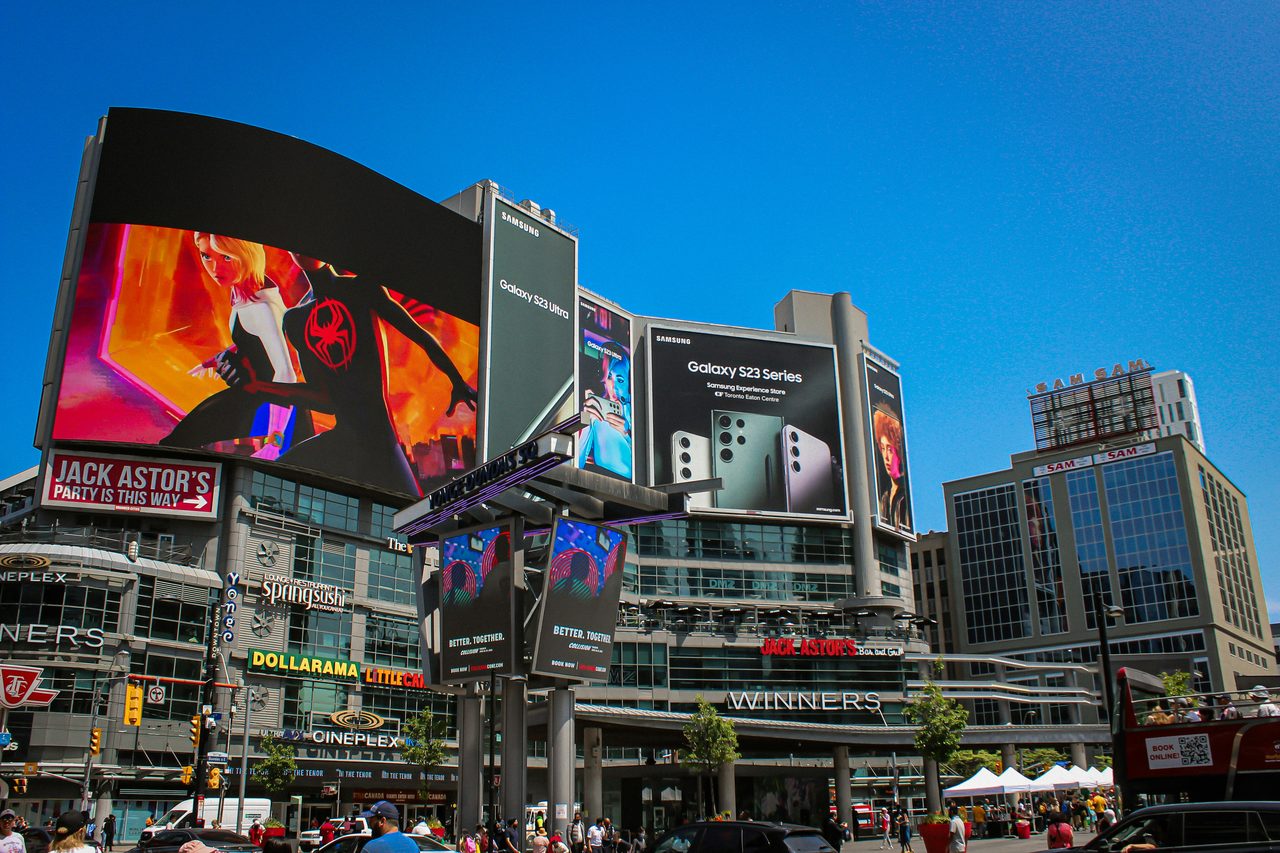
From Medik8's interactive New York window to Burger King drive-thru boards, digital signage expands across retail, QSR and safety messaging.
Digital signage is cementing its status as one of the most flexible media channels in the modern advertising mix, with a fresh wave of deployments this week spanning premium beauty retail, quick-service restaurants and even vehicle safety. From New York storefronts to drive-thru lanes, the sector continues to prove that a connected screen can carry nearly any message.
British skincare brand Medik8 has brought its science-led philosophy to Manhattan, unveiling an immersive interactive window installation at 243 W 28th St. Developed alongside out-of-home agency Quan Media and immersive media outfit Visual Feeder, the activation transforms an ordinary urban storefront into a motion-reactive canvas. When pedestrians approach, the display responds in real time, weaving light, movement and responsive storytelling into an experience that functions as both advertising and destination. The initiative underscores a growing appetite among beauty brands for street-level engagement that encourages passersby to stop, interact and share.
The quick-service restaurant world is also doubling down on digital out-of-home. Palmer Digital Group has secured a position as an approved supplier of outdoor digital menu board systems for Burger King franchisees across the U.S. and Canada, granting the technology company access to a network of roughly 6,000 restaurants. Under the terms of the arrangement, PDG expects to outfit 50 Burger King locations by the end of the year as franchisees modernize their drive-thru operations with dynamic menu displays.
Meanwhile, structural shifts in the AV integration industry are creating fresh opportunities for signage vendors. The separation of Forté and GPA — one of the most significant developments in the sector — will reshape global integration dynamics, opening the door for manufacturers and software providers to forge closer, more direct relationships with the industry heavyweight as it builds out its own global ecosystem.
On the messaging front, insurance provider Lemonade has taken an unconventional approach, deploying roadside digital signage to deliver a concise reminder to drivers about respecting posted speed limits. The move demonstrates that the medium can carry public-safety prompts as effectively as commercial content.
Taken together, the announcements paint a picture of a channel in rapid evolution. Whether as retail media, menu boards in the drive-thru or safety nudges on the street, digital signage is being embraced for its real-time flexibility and its ability to turn everyday spaces into interactive touchpoints. For brands and the vendors that serve them, the message is clear: the screen has become the story.