
DooH: GTA VI Takes Over the World's Screens
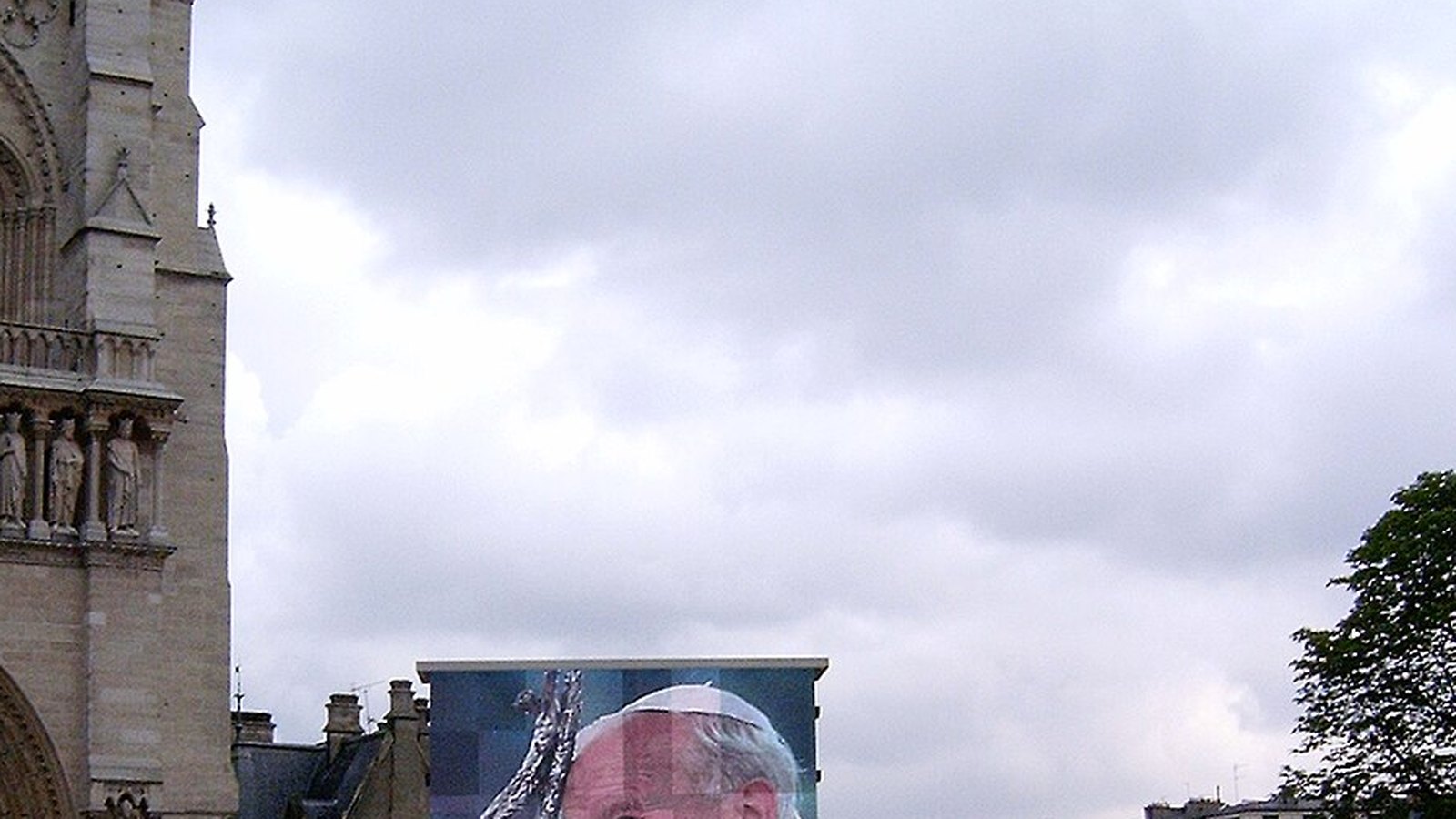
An invidis.com report on the Grand Theft Auto VI launch describes façade takeovers, wrapped trams, moving billboards and premium digital-out-of-home placements in Hong Kong, Tokyo, London, New York, Paris, Berlin and Munich. It cites industry estimates of about US$1.5 billion in development costs, a Sensor Tower figure of roughly USD 1.54 billion in pre-launch sales and a reported US$150 million to US$500 million marketing spend, arguing that the campaign uses large-format public screens to turn the release into a cultural event that drives online conversation.
Grand Theft Auto VI has become the face of public space well beyond the gaming world, according to invidis.com. The campaign for Rockstar Games' title is described as covering landmark façades, wrapped trams, moving billboards, transit networks and premium digital-out-of-home placements in Hong Kong, Tokyo, London, New York, Paris, Berlin and Munich. By turning city streets and screens into an extension of the game's Vice City setting, the rollout shows how a video-game launch can occupy physical and online attention at the same time.
A launch staged across streets and screens
Rockstar's push is described as spanning façade takeovers, landmark light-ups, wrapped trams, moving billboards and transit networks, alongside premium digital-out-of-home inventory. Named cities include Hong Kong, Tokyo, London, New York, Paris, Berlin and Munich. The choice of landmark sites and wrapped transit is central to that effect. Rather than acting as background support for a media plan, large-format public screens are placed at the centre, with social posts, PR and fan content orbiting around them. For the digital signage trade, the campaign is presented as a case of physical placements driving a much larger conversation online.
On the numbers behind the push, industry estimates put development costs at around US$1.5 billion, and Sensor Tower is cited as estimating roughly USD 1.54 billion in pre-launch sales revenue before any official release. Rockstar is reportedly spending a further US$150 million to US$500 million on marketing. Those figures help explain why the campaign leans so heavily on visibility: with demand already large, the spending appears aimed less at awareness than at turning a product launch into a public occasion. The scale of that spend, and the choice of streets and screens over conventional channels, points to ubiquity as the goal.
From physical screens to online buzz
Matthieu Lamoureux, a director at Jellyfish, argues in an analysis for The Drum, expanded in a longer blog post, that the campaign was never meant for gamers alone. That audience, in his view, was already won years earlier. The intent was to make the launch a cultural event reaching past the traditional gaming public, on the model of a Marvel film release, a Taylor Swift tour or a Fifa World Cup. In that reading, visibility itself becomes part of the story, and the rollout is built to create ubiquity rather than simply to announce a game.
For out-of-home marketers, the lesson drawn is that a placement's value is no longer capped by the people who walk past it. A façade lighting becomes a photograph; a billboard becomes a post. The argument is that iconic digital screens can generate large numbers of digital impressions across social platforms, well beyond the physical audience. Large-format LED sites in premium urban locations supply the scale and visual punch that entertainment launches of this size need. In the campaign described, those sites act as the hub around which online discussion forms, rather than an afterthought in the media plan.
For a small business, the GTA VI rollout is a reminder that a screen in a public place can do more than repeat a message. When the content is worth looking at, it gets photographed and shared, and the message travels past the people physically in front of it. A shop or café working with a single window display or an in-store screen is using the same principle on a far smaller scale: give passersby something they want to notice and pass on. The measure of success shifts from how many people saw the screen to how many talked about it.
None of this means a local business can match a campaign with a marketing spend reportedly in the hundreds of millions. What transfers is the idea of making content people want to look at instead of filling a screen with notices. A platform such as topaz.media is one option for running video and images on an ordinary TV without extra hardware. The lesson from the GTA VI screens is that attention follows content worth sharing, not the other way around. For a microbusiness with one screen and no media budget, that is a realistic place to start.