
From video walls to AI recognition: navigating the $400M digital signage boom
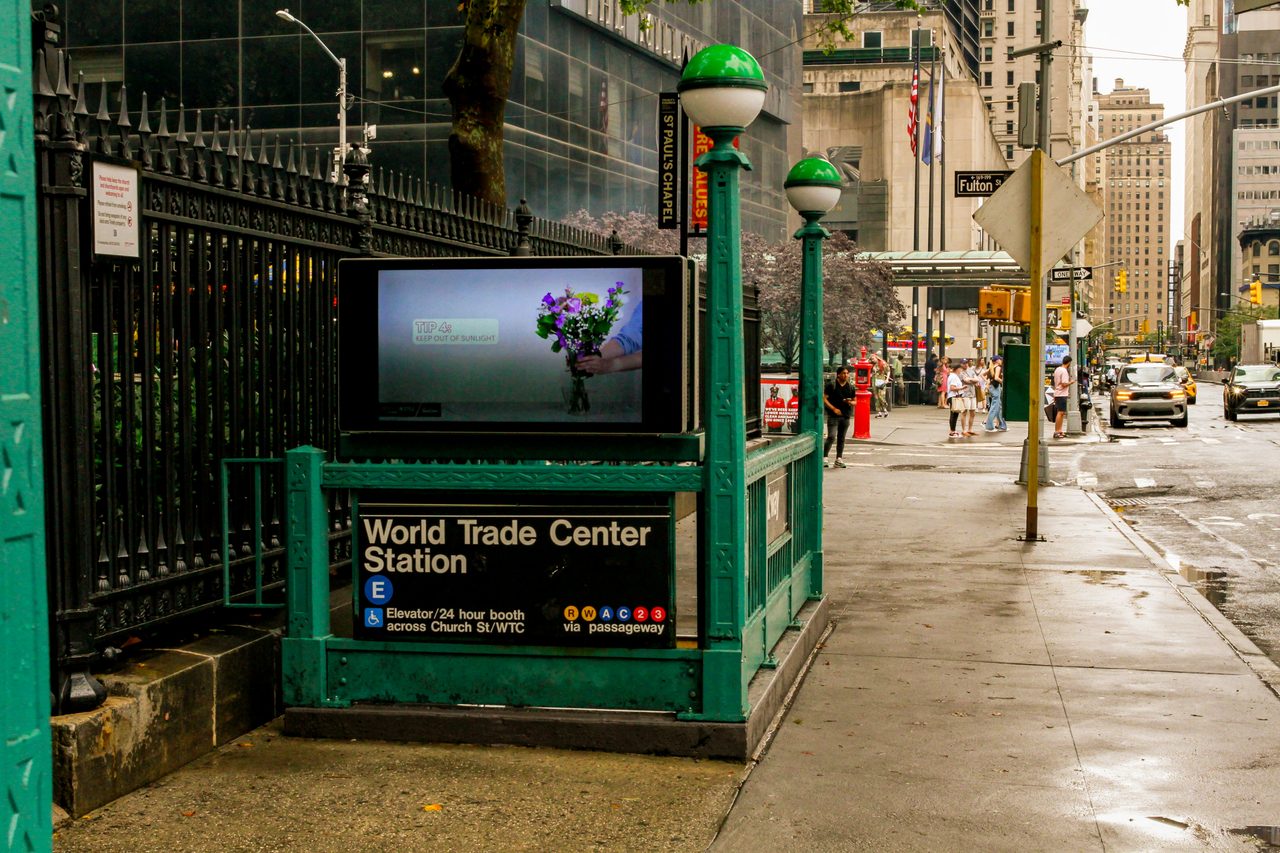
As the Australian digital signage market tops $400M, leaders are driving a shift toward specialised deployments spanning LED walls, AI audience targeting and healthcare solutions.
The Australian digital signage market, now valued at over $400 million, is shifting from one-size-fits-all display strategies toward purpose-built solutions tailored to specific environments. Leading integrator Amped Digital has issued guidance to help organisations navigate the growing divide between digital signage and LED video wall deployments — two technologies frequently conflated but built for fundamentally different outcomes.
Retail chains, quick-service restaurants and transport hubs are investing in visual communications, but the choice between a standalone screen and a tiled video wall comes down to the job at hand. A single commercial-grade display with a cloud-based CMS typically lands between $1,000 and $5,000, while video wall installations can range from $10,000 to well over $100,000 depending on panel technology and structural work. Matt Steedman, director at Amped Digital, said the most common mistake is picking a technology before defining the brief. "A national franchise with 200 stores needs a platform that pushes consistent content by time zone," he noted, while a flagship CBD showroom demands an immersive canvas that stops foot traffic cold.
Amped Digital manages its networks through Navori (formerly SignageLive), a cloud-based CMS handling centralised scheduling and location-specific playlists across fleets from a single display to over 1,000 sites. The company's work with Lotte Duty Free at Melbourne Airport — where a large-format LED wall anchors a high-traffic retail environment — illustrates matching hardware to context. Steedman recommends a staged approach: start with standalone signage to prove ROI, then scale into a video wall, running power and data to the right spots during the initial fit-out to avoid costly rework.
Camera-based AI is adding a new layer of intelligence to deployments. Audience recognition built directly into media players can detect viewer demographics and engagement in real time, letting screens adjust content on the fly for hyper-targeted messaging. This turns a passive broadcast channel into an interactive environment that responds to who is watching, without requiring separate sensor infrastructure.
The same trend — tailoring technology to the user — is reshaping healthcare signage. An eBook from 22Miles and BrightSign highlights how patient-centric strategies improve clinical outcomes while reducing staff burnout. Wayfinding, appointment communication and educational content that manages patient expectations are driving healthcare signage as a distinct vertical, with BrightSign players and the 22Miles platform delivering reliability where downtime is not an option.
As pixel pitches shrink, MicroLED adoption accelerates and AI informs content strategy in real time, the industry is leaving generic deployments behind. The winning approach is no longer about the shiniest screen — it's about fitting the right display, platform and intelligence to the specific environment, message and audience.