
In-Store Retail Media Must Prove Ads Played Before Claiming Impressions
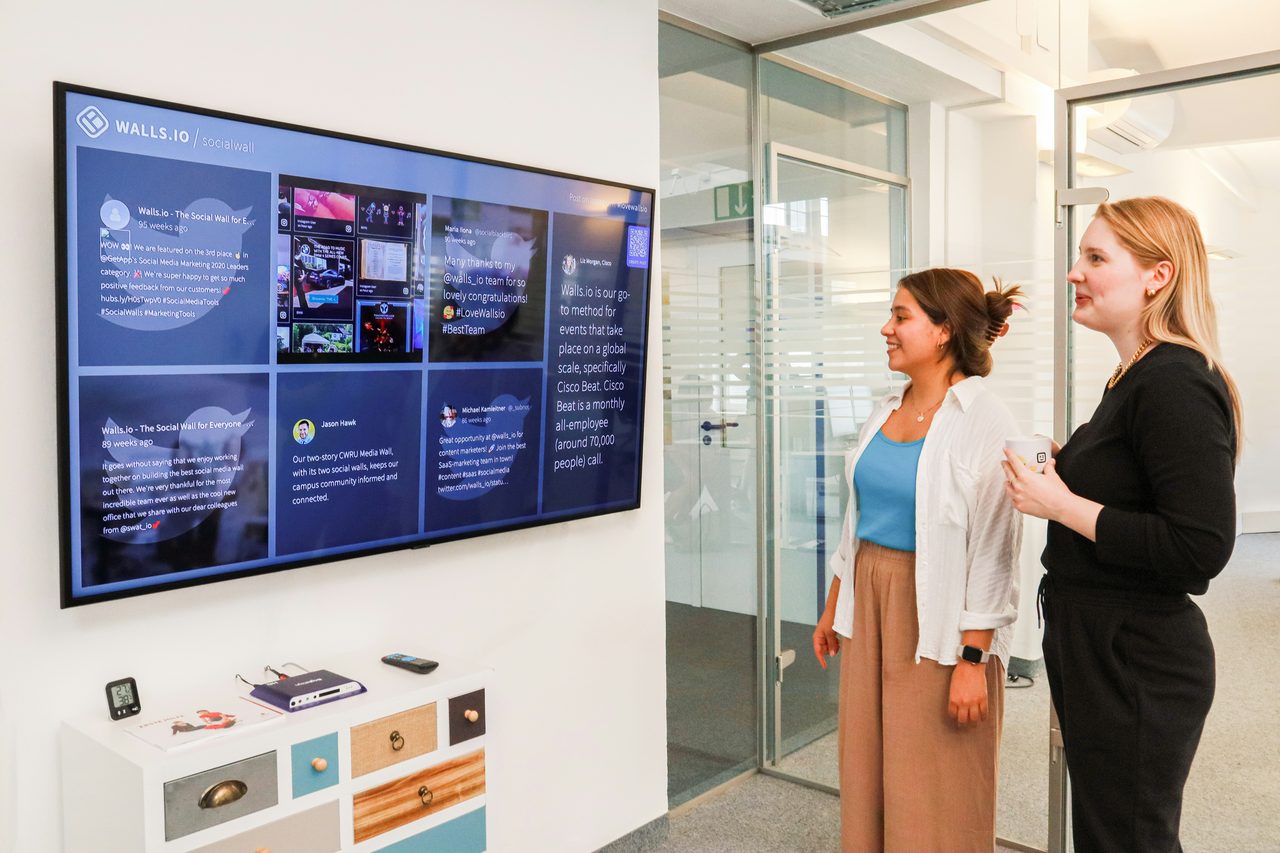
Out-of-home networks must verify delivery at the device level before attributing ad impressions, as backend systems cannot detect most screen failures.
The retail media industry has poured resources into attribution — linking ad exposure to sales outcomes — while neglecting the more fundamental question of whether ads actually appeared on screens. This matters because attribution models are only as reliable as the delivery data feeding them. An impression that cannot be confirmed is not an impression at all. Most in-store retail networks operate on a trust-based model: advertisers buy placements across thousands of screens they will never personally inspect, relying entirely on operator-reported logs. If those logs reflect what the player intended rather than what the display rendered, the entire measurement chain rests on an unverified assumption. As DailyDOOH argues, verification infrastructure is invisible when it functions and surfaces only as declined revenue when impressions go unbilled — making it easy to defer.
Digital advertising has a built-in verification shortcut: open your browser, load the ad, and confirm it rendered. That single observation generalises — if the creative displayed for you, the delivery pipeline works. Out-of-home breaks that logic entirely. Standing in front of one screen confirms one playback event across potentially thousands of devices, each with independent hardware, connectivity, and environmental conditions. The IAB and IAB Europe published joint In-Store Retail Media Definitions and Measurement Standards in December 2024, establishing a four-rung impression ladder — Ad Play, Gross Impression, Opportunity To See, and Likelihood-To-See — to formalize what different levels of confirmed delivery actually mean.
For one confirmed impression, roughly forty independent conditions must hold simultaneously. Power must reach the panel without tripping a breaker; the display must be powered on, not in standby, with correct input selected and brightness calibrated to ambient light. The player must be running and reachable; cables must be seated and undamaged; the handshake between player and display must hold. Content must download before the scheduled slot; the correct creative must play at the correct duration with audio in the intended state. And the screen must remain physically unobstructed — no seasonal fixture, pallet, or barrier blocking the line of sight. These failures occur silently across aisles, forecourts, transit concourses, and parking structures that share almost no operating conditions. The No Fluff Advisory breakdown of the IAB standards shows that aisle penetration and touchpoint compliance alone cut raw footfall by 36% before any other modeled factor enters the equation.
Digital teams instinctively extrapolate from a sample, but that approach collapses in OOH because failure modes are local — tied to a specific breaker, cable, panel, or obstruction. Ten confirmed screens in a thousand-screen estate confirm exactly ten screens worked; the remaining 990 are unmeasured, not implied. This is why verification must be device-level rather than statistical. Backend systems cannot reconstruct facts never captured at the edge: if nothing on the device independently confirmed a frame rendered on a powered, visible display, that information does not exist downstream. As No Fluff Advisory notes, a player reporting what it intended to do and a device confirming what actually happened are fundamentally different classes of telemetry.
National in-store buys run across sites the advertiser will never visit, on hardware they will never see. Without verifiable delivery data, the transaction is a trust relationship, not a measurement one. Good inventory without proof gets discounted, and budgets move to more legible channels. Operators who can demonstrate what played, where, when, and in what condition offer buyers numbers they can defend internally. The IAB standards position Ad Play and Gross Impressions as the reporting floor, with disclosed formulas, while Opportunity To See is framed as the near-term aspiration for digital activations. Standards work has accelerated in the last two to three years, but fragmentation persists — each operator solves part of the chain their own way. That gap is as much a standards problem as an engineering one, and buyers should press operators on what they can verify at device level.