
Deutsche Telekom’s ‘Not a Passenger’ DOOH Campaign Redefines Connectivity on the Move
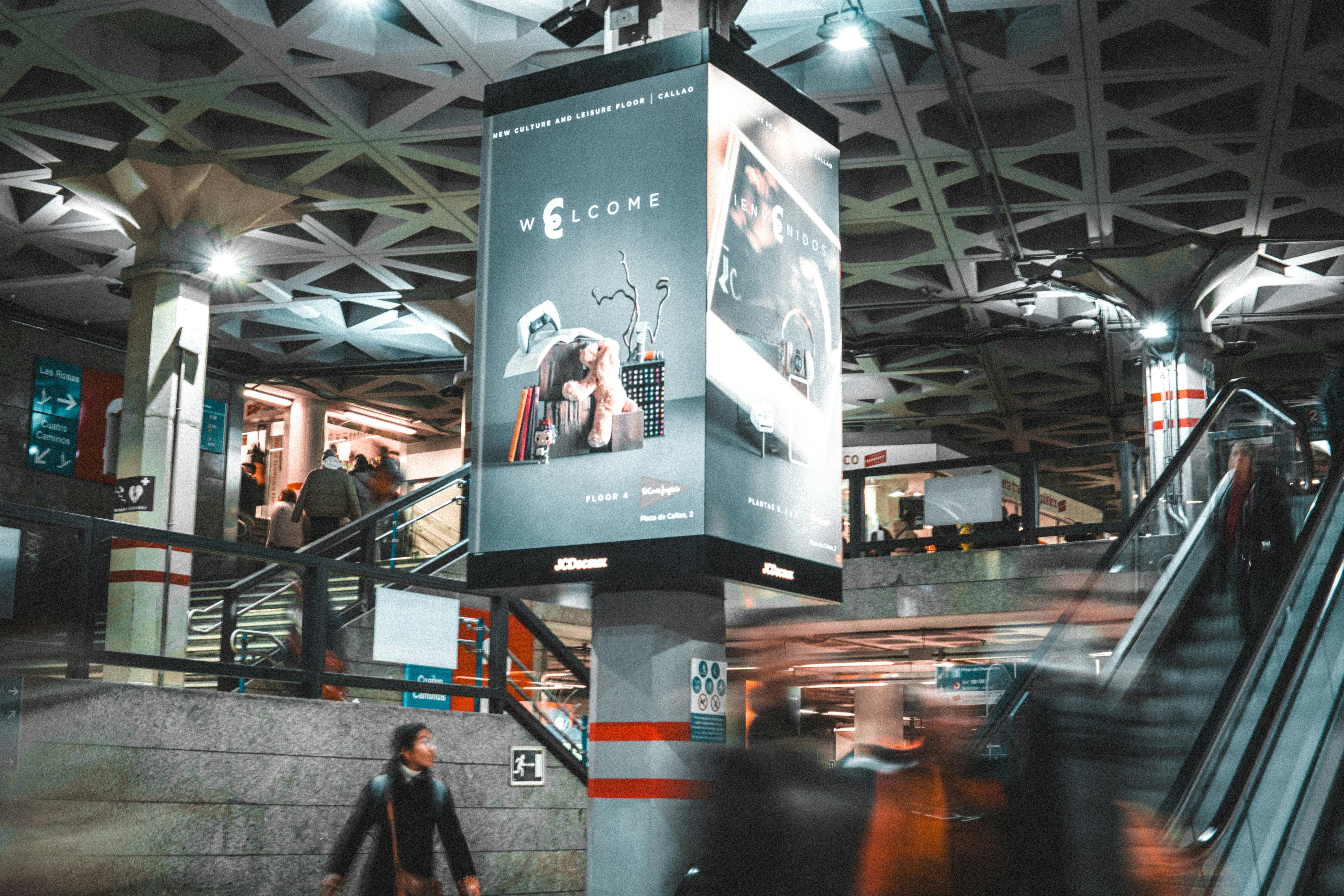
Deutsche Telekom launches a window‑based digital‑out‑of‑home (DOOH) campaign titled “Not a Passenger,” positioning the carrier as a mobile‑first partner rather than just a traveller.
The “Not a Passenger” campaign
The German telecom giant Deutsche Telekom unveiled a striking digital‑out‑of‑home (DOOH) initiative called “Not a Passenger.” Displayed on high‑visibility window installations, the campaign replaces the typical commuter image with bold messaging that the brand is not merely riding the journey but actively powering it. By using the window format, Telekom transforms an ordinary transit pane into an interactive billboard that underscores its role in delivering seamless mobile connectivity across travel corridors. The creative concept, highlighted on the DailyDOOH blog, emphasizes the carrier’s commitment to stay ahead of passengers’ data needs, positioning the network as an essential service rather than a passive observer. No specific launch date is disclosed, but the visual language signals a shift toward immersive, location‑centric advertising that resonates with on‑the‑go audiences.
The “Not a Passenger” effort exploits the dynamic capabilities of modern DOOH windows, which combine high‑resolution LED panels with real‑time data feeds. Sensors embedded in the glass detect foot traffic, ambient light, and even train schedules, allowing the content to adapt instantly—brightening during rush hour or dimming when platforms are empty. This responsiveness creates a personalized experience that traditional static signage cannot match. Moreover, the system is linked to Deutsche Telekom’s network performance dashboards, enabling the brand to showcase live coverage maps or speed metrics directly on the window. By marrying location intelligence with creative storytelling, the campaign delivers a measurable uplift in brand recall while illustrating the practical benefits of the carrier’s 5G rollout across public transport hubs.
In an era where telecom providers compete on speed, coverage, and price, visual differentiation becomes crucial. Deutsche Telekom’s “Not a Passenger” campaign flips the narrative: instead of promoting devices or plans, it highlights the carrier’s invisible infrastructure that keeps passengers connected. This approach aligns with a broader industry shift toward experience‑driven branding, where operators emphasize reliability and ubiquity rather than technical specs alone. By occupying a commuter’s line of sight at the moment connectivity matters most, Telekom reinforces its position as an integral part of the travel ecosystem. The initiative also signals to rivals that owning premium DOOH inventory can translate into perceived network superiority, potentially driving higher subscriber acquisition in densely populated transit corridors.
The rollout of “Not a Passenger” illustrates several emerging patterns in the DOOH arena. First, advertisers are gravitating toward hyper‑local, data‑rich installations that react to environmental cues, turning ordinary surfaces into smart communication platforms. Second, telecom brands are leveraging these assets to demonstrate real‑world service quality, blurring the line between advertising and service assurance. Finally, the integration of live network analytics with visual content hints at a future where DOOH serves as a feedback loop, instantly validating campaign performance against connectivity metrics. As 5G expands and edge computing matures, we can expect more brands to adopt similar window‑based, adaptive displays that turn public spaces into dynamic, brand‑centric experiences.