
AV Integration Goes Architectural: Museums, Venues and Campuses Lead the Way
From LED-wrapped museums to immersive London nightclubs, AV systems embedded in architecture are reshaping how cultural spaces, venues and campuses engage audiences.
The integration of audiovisual technology into the fabric of buildings has moved decisively from an afterthought to a defining feature, as a fresh wave of projects across museums, hotels and higher education demonstrates. Rather than bolting screens and speakers onto structures, designers and integrators are now weaving video, lighting and sound directly into architecture to create experiences that adapt to their audiences.
London's Marylebone district is getting a new landmark with the unveiling of 77, a 550-capacity nightlife and events venue beneath The BoTree hotel. Designed by Amsterdam-based studio Concrete, the two-level space abandons the conventional nightclub layout for an asymmetrical floorplan, tiered seating and a mezzanine that produce shifting sightlines. A sculptural staircase links the levels and reinforces the vertical design. Continuous LED lines trace the building's curved geometry and sync with the audio system, while a full-height LED video wall behind the elevated DJ booth anchors the room, with additional displays extending the immersive field. Conceived for club nights, live performances, brand activations and private functions, the venue is scheduled to open on Sept. 26 as part of the hotel's events offering, with its lighting, video and sound treated as architectural elements rather than separate technical systems.
A similar philosophy underpins the Montana Heritage Center in Helena, which has opened with a fully integrated experience combining LED displays, projection, spatial audio, lighting and motion-based interactivity across nine galleries. Electrosonic designed the museum, which features 42 LED display faces supplied by SNA Displays across 1.2 mm, 1.9 mm and 2.5 mm fine-pitch formats. Digital studio RLMG crafted interactive media that responds to visitor movement and touch. Visitors begin in the Homeland Gallery, passing beneath a curved LED ceiling evoking a flowing river, and later pull a rope in the Mineshaft Experience to trigger videowalls, spatial audio, synchronized lighting and a vibrating floor. Other highlights include a concave LED wall paired with an immersive soundtrack and a motion-activated tipi installation. SNA Displays notes the displays support the exhibits rather than standing alone as attractions.
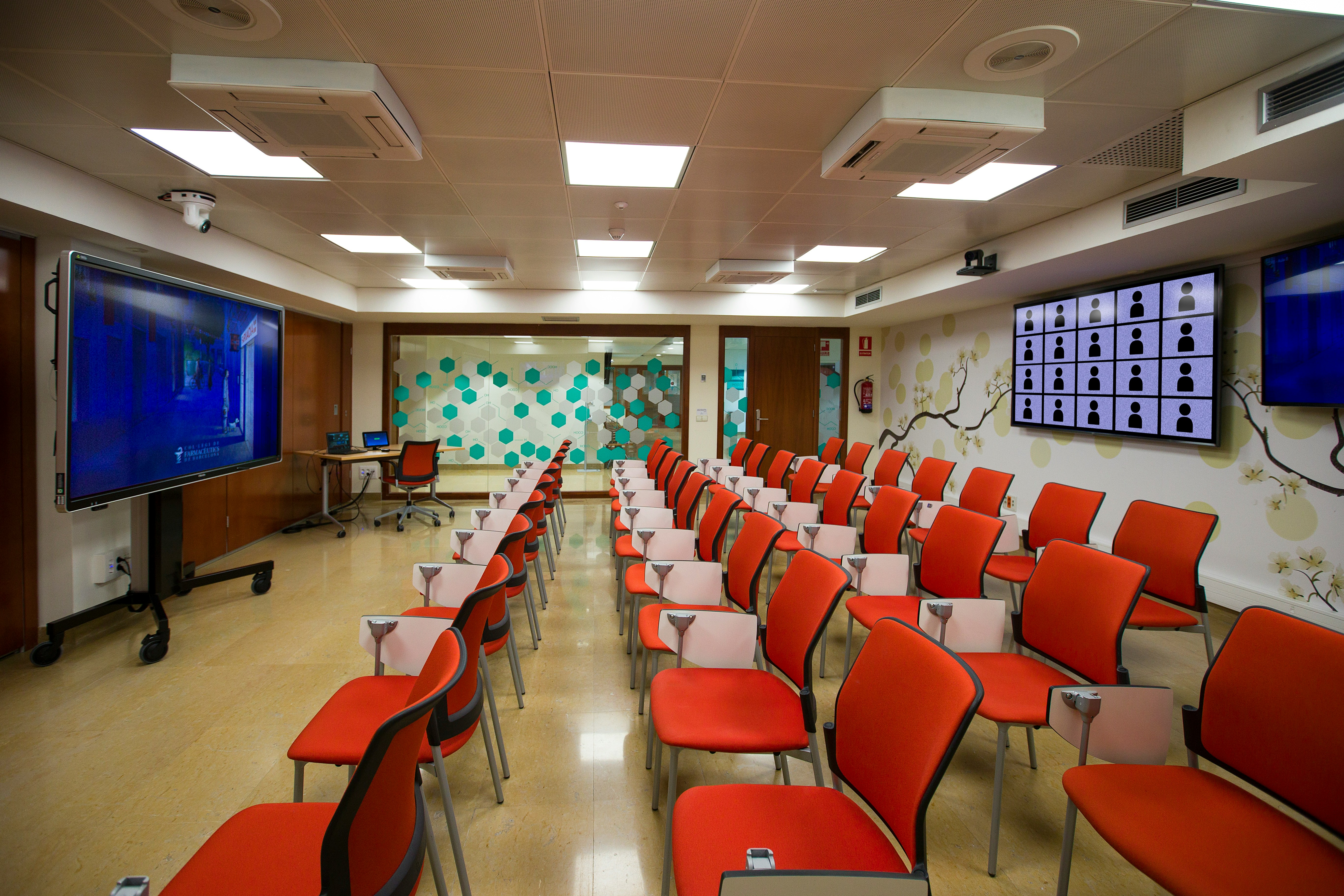
On the higher-education side, a new AVoIP deployment spanning three Colombian campuses illustrates how universities are centralizing audiovisual management to improve reliability, streamline support and prepare for future digital learning. As hybrid learning expands, institutions are consolidating their growing technology estates across multiple sites into centrally managed systems.
Behind the scenes, the commercial channel is also shifting. Draper Inc. has named Geer Tech as its Pro AV representative firm for southern California and southern Nevada, underscoring how manufacturers are rethinking their go-to-market networks even as the technology itself evolves.
Taken together, these moves point to an industry increasingly defined by integration: experiences built into architecture, systems managed from a single point of control, and partnerships aligned to deliver them.