
Shopper Acceptance of In-Store Digital Screens Hits New High, Study Finds
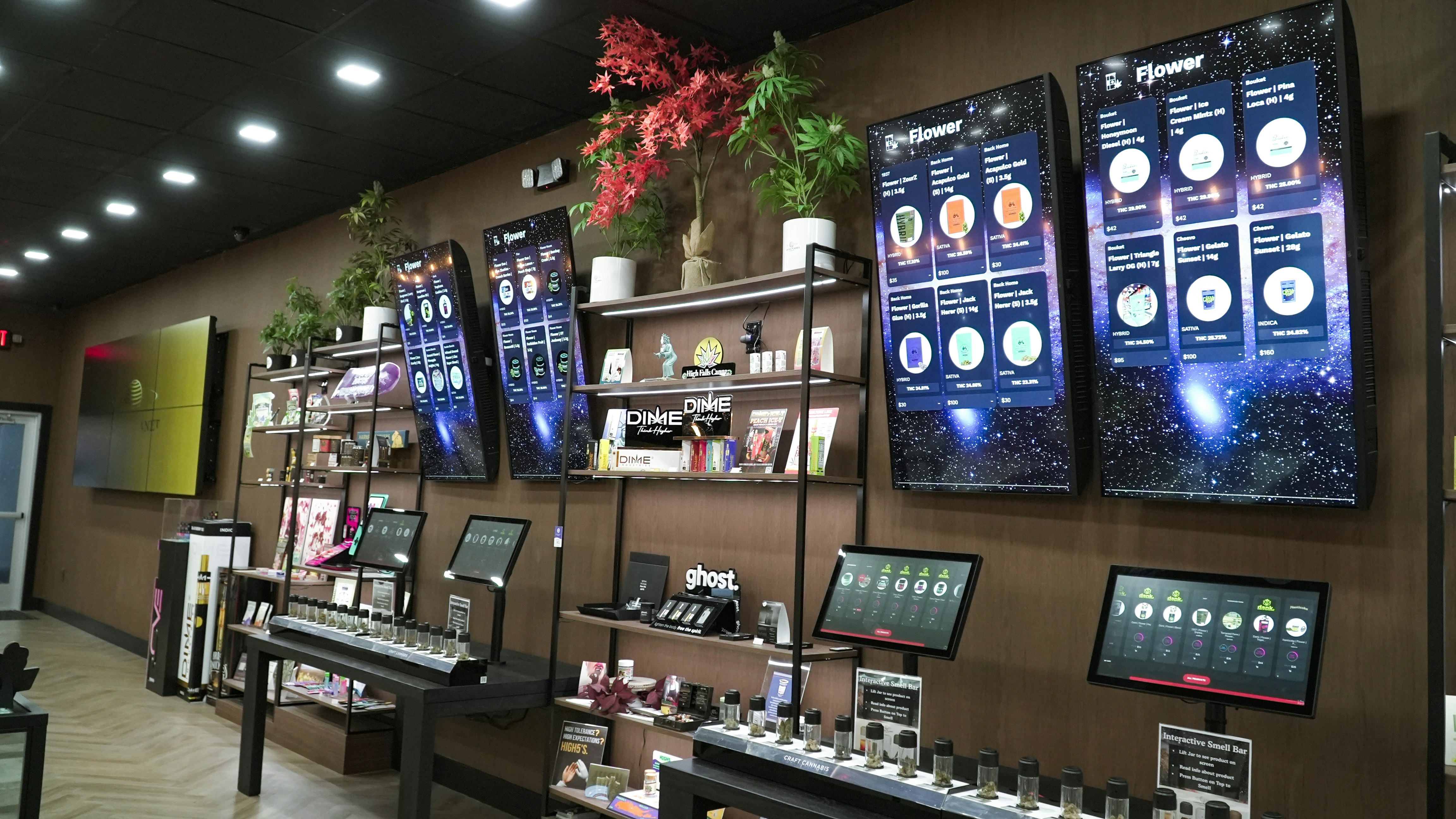
New research shows 62% of grocery shoppers have purchased an item after seeing it on an in-store screen, with acceptance rising across all major store zones since 2023.
The grocery aisle is quietly becoming a digital media battleground, and shoppers are embracing the shift. According to the "2026 In-Store Shopper Perception Report" from Grocery TV and independent analyst Andrew Lipsman of Media, Ads + Commerce, consumer tolerance — and even enthusiasm — for in-store digital displays is climbing rapidly. The survey of more than 1,000 grocery shoppers evaluated 15 different display formats and store zones, showing respondents before-and-after imagery of each space with a screen added.
Compared to the inaugural 2023 edition, the latest study recorded a 23-point jump in front-end screen acceptance alone, with gains across every major zone measured. Entrance, checkout, deli and pharmacy areas emerged as the most positively received placements, suggesting that retailers have significant flexibility in where they deploy digital signage without alienating customers.
The data underscores the growing influence of in-store screens on purchasing behavior. Nearly two-thirds of respondents (62%) said they had bought a product immediately after spotting it advertised on a digital display inside a store. Additionally, 86% of shoppers indicated that contextually relevant advertisements on endcaps are important to their overall shopping experience — a signal that relevance matters as much as placement.
Perhaps most telling for brands and retailers alike: 95% of grocery shoppers still make at least half of their purchase decisions after walking through the doors. That statistic reinforces the enormous potential of in-store retail media to capture attention at the critical moment of choice, when mobile and online ads have already done their preliminary work.
Lipsman characterized the moment as a "long-awaited inflection point" for in-store retail media, noting that national and regional grocers are now launching and expanding digital screen networks at scale. He described the majority of digital surface placements as either "no-risk or low-risk" for customer experience, with store entrances, checkout lanes, deli counters and pharmacy pickup zones leading the pack in performance.
As grocers race to build out their own retail media networks, the research provides a clear roadmap: place screens where shoppers already pause, keep the ads contextually relevant, and let the data confirm what consumers are increasingly saying — they don't just tolerate the screens, they respond to them.